Row wavy Shape Decorative svg added to top

Hawaii’s Favorite Buildings:
A Centennial Showcase by AIA Hawaii

Votes accepted through June 30, 2026, 5PM HST

In celebration of AIA Hawai‘i’s 100th Anniversary (1926–2026), we invite you to vote for your favorite Hawai‘i building!

Explore some of the islands’ most remarkable architectural works—each highlighted in a special AIA showcase in the March issue of HONOLULU Magazine.

Presented by

AIA-Honolulu_RED-BLACK_PMS-6434x2100-8cf6f63

This fun, community-focused competition shines a light on the design legacy of iconic structures across our state and encourages everyone to discover (or rediscover!) the buildings that shape our daily lives.

Choose your favorite from the selections below—or write in your own nomination—and help us honor a century of architecture in Hawai‘i.

learn about these landmarks
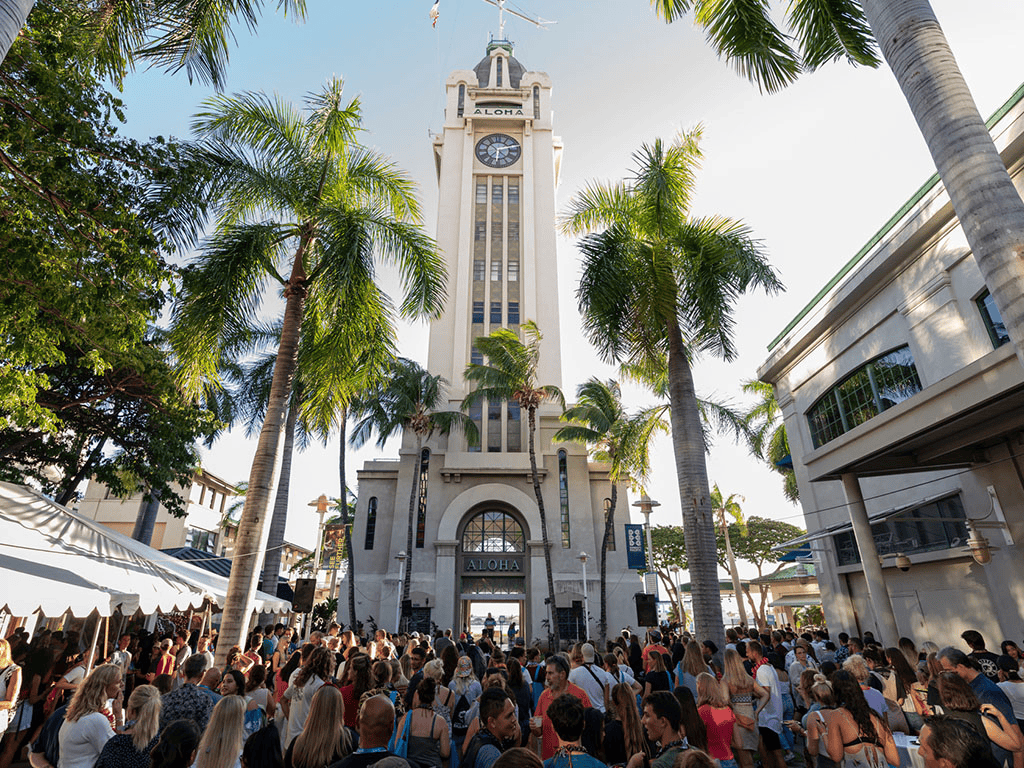
Aloha Tower Lighthouse

Designed by: Arthur L. Reynolds, AIA
Built: 1926

Standing tall at 184 feet since its completion in 1926, Aloha Tower is one of Hawai‘i’s most iconic landmarks and a beloved symbol of aloha and hospitality. Today, Aloha Tower and the broader Marketplace and waterfront experience continues to welcome residents and visitors, linking Hawai‘i’s rich maritime history with its vibrant present.

Bishop Museum

Designed by: C W Dickey, AIA, 1903
Renovated by: Mason Architects, 2012

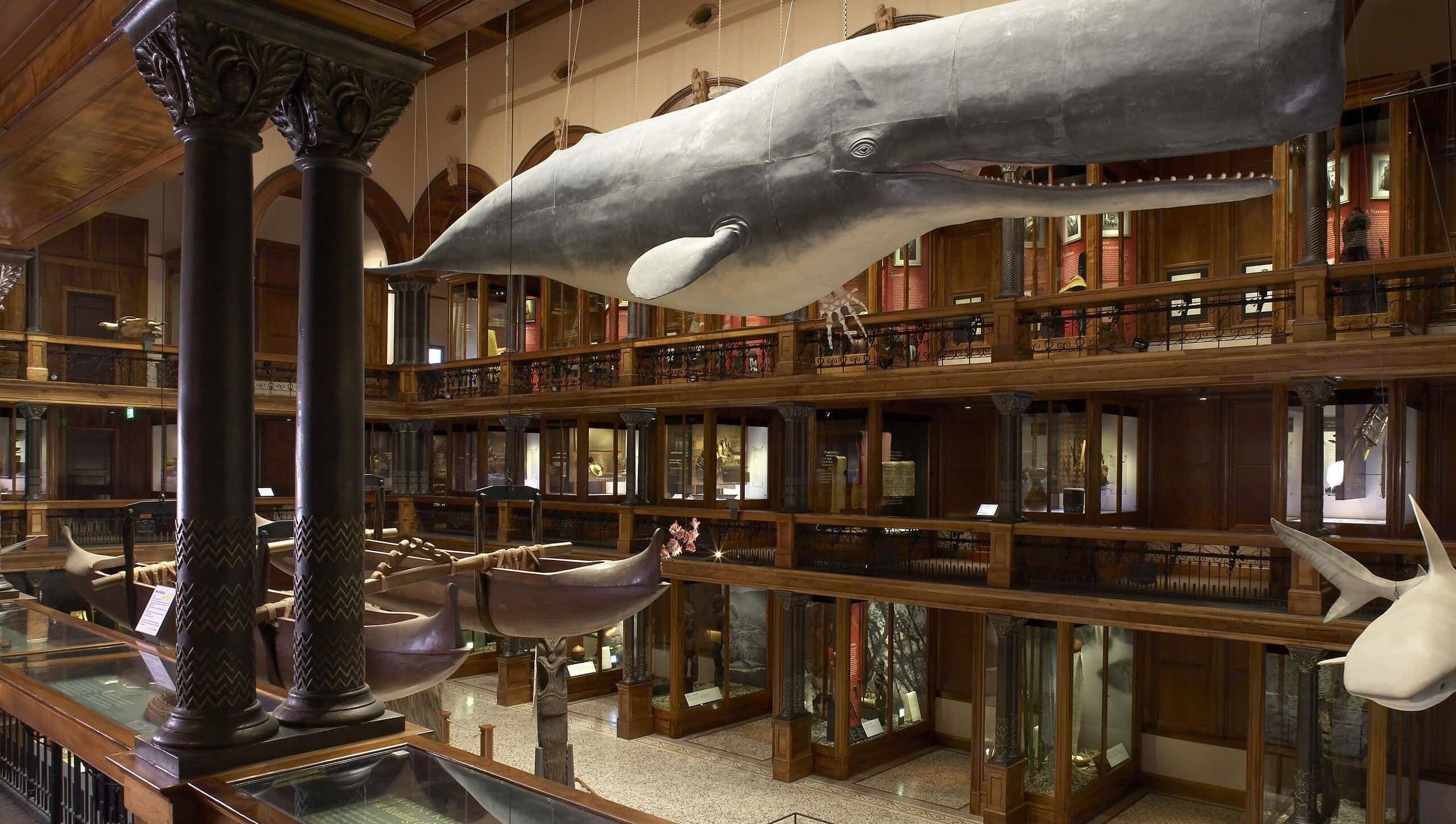
Bishop Museum was established at a time when there were fewer than one hundred major museums in the world. The Romanesque Revival-style Hawaiian Hall is made up of three interlinked structures which were built beginning in 1890 and opened to the public in 1903. Architects William F. Smith, and Ripley and Dickey did various parts of the structure. Hawaiian Hall closed for three years (2009-2012) for a beautiful renovation directed by MASON.

First Hawaiian Center

Designed by: Kohn Pedersen Fox
Built: 1996

First Hawaiian Center serves as a beacon on our city skyline and pays homage to our hometown. It incorporates a sense of place while serving our community and shaping our future.

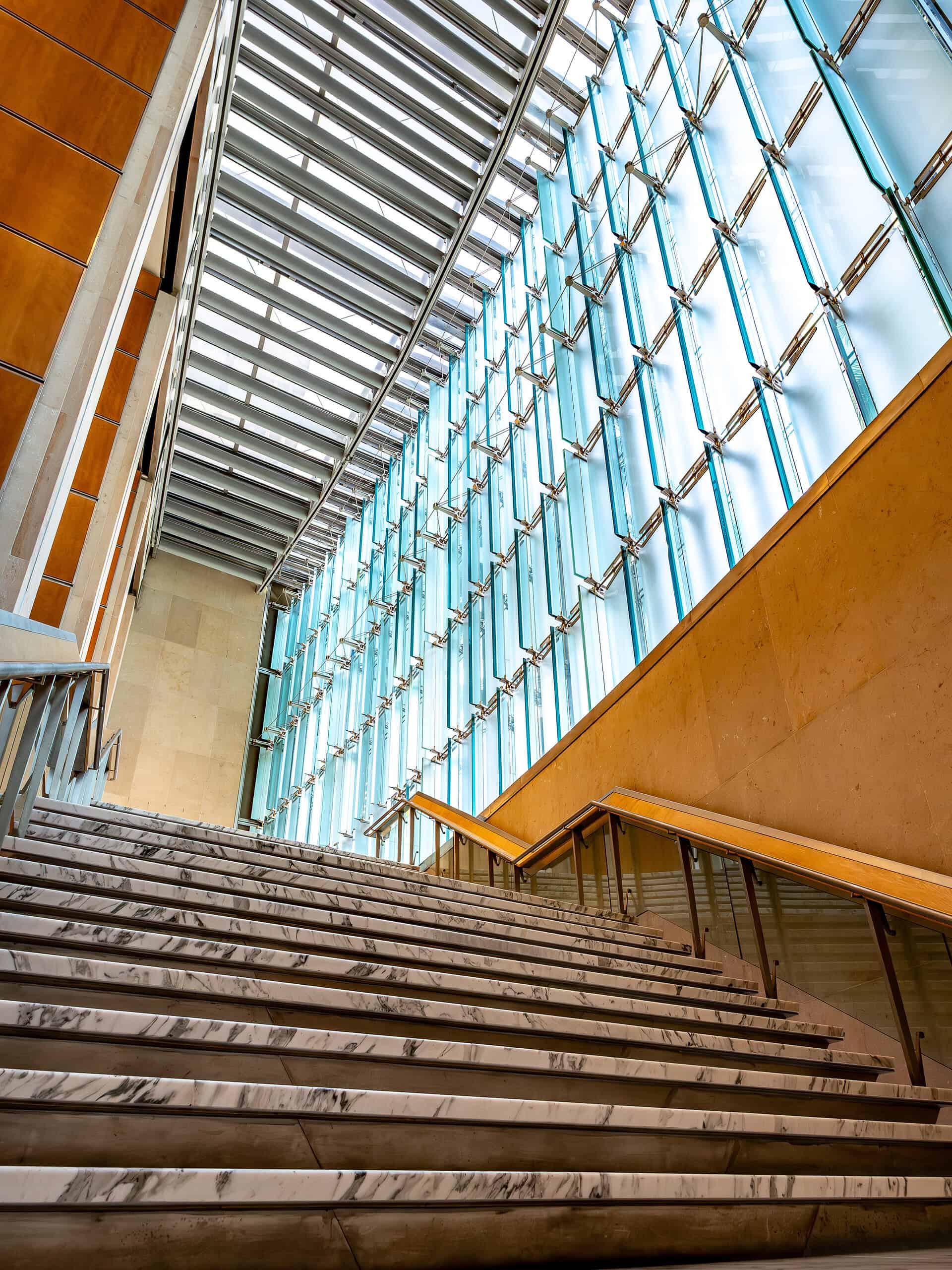
As the fourth corporate home of First Hawaiian Bank, this 438‑foot tower became Honolulu’s tallest building when it opened in 1996. Beyond its role as the bank’s headquarters, the Center includes leased office space, an art museum on the ground floor, outdoor sculptures, and a striking four‑story art‑glass wall by James Carpenter—185 prisms that bring shifting daylight into the Banking Hall.

Hawaii State Capitol

Designed by: Lemmon Freeth Haines and Jones in association with John Carl Warnecke
Built: 1969

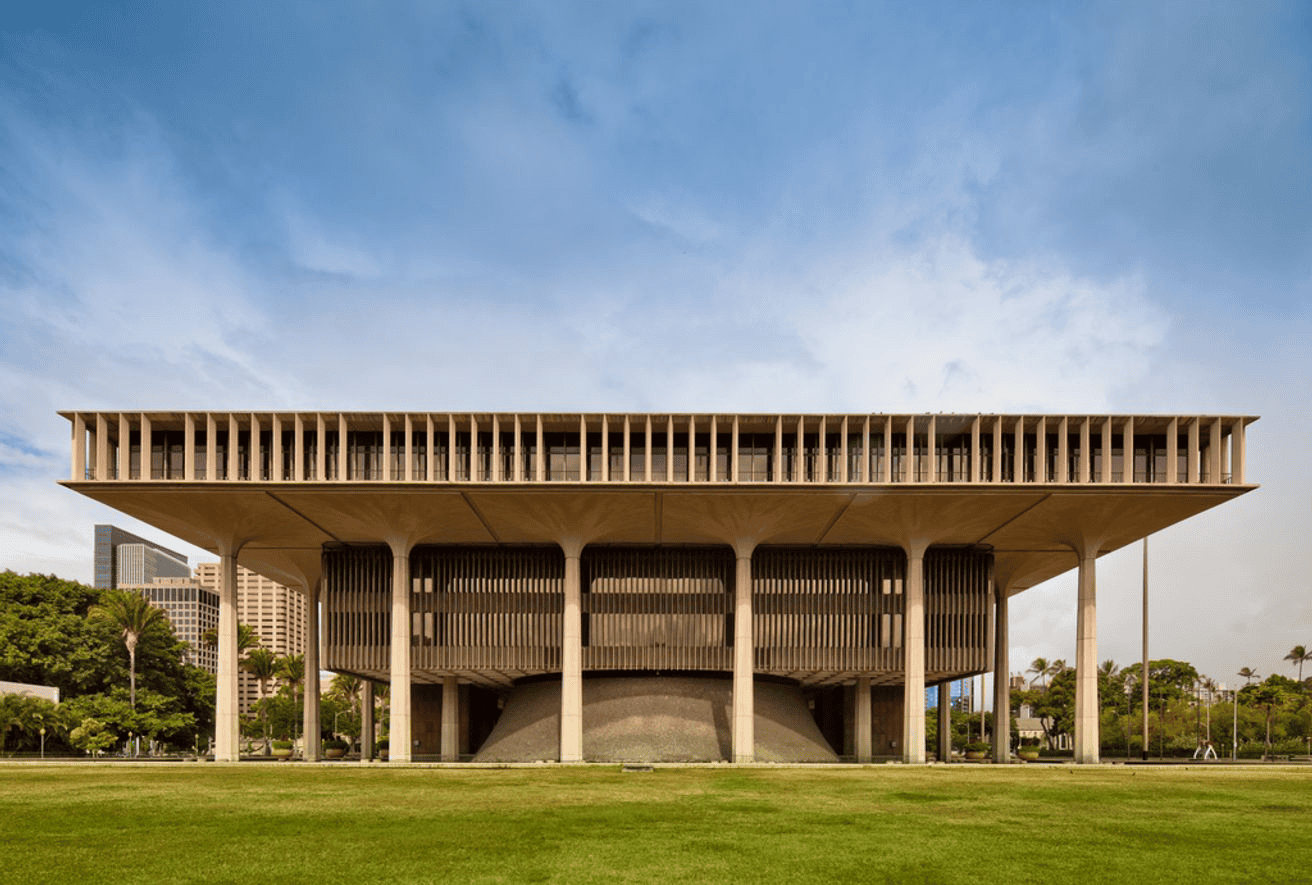
The Hawai‘i State Capitol Building, designed by John Carl Warnecke with Belt Lemmon & Lo of Honolulu, symbolizes the Statehood Period and Hawai‘i’s emergence into the modern age as a crossroads of the Pacific. Unlike traditional Classical Revival capitols, its International‑style design incorporates elements that reflect the islands’ identity—reflecting pools for the ocean, soaring columns for royal palms, cone‑shaped chambers for volcanoes, and an open‑air central court for nature and democratic openness. Completed in 1969, the 558,000‑square‑foot structure remains one of America’s most distinctive state capitol buildings.

Iolani Palace

Designed by: Thomas J. Baker, Charles J. Wall, and Isaac Moore
Built: 1882

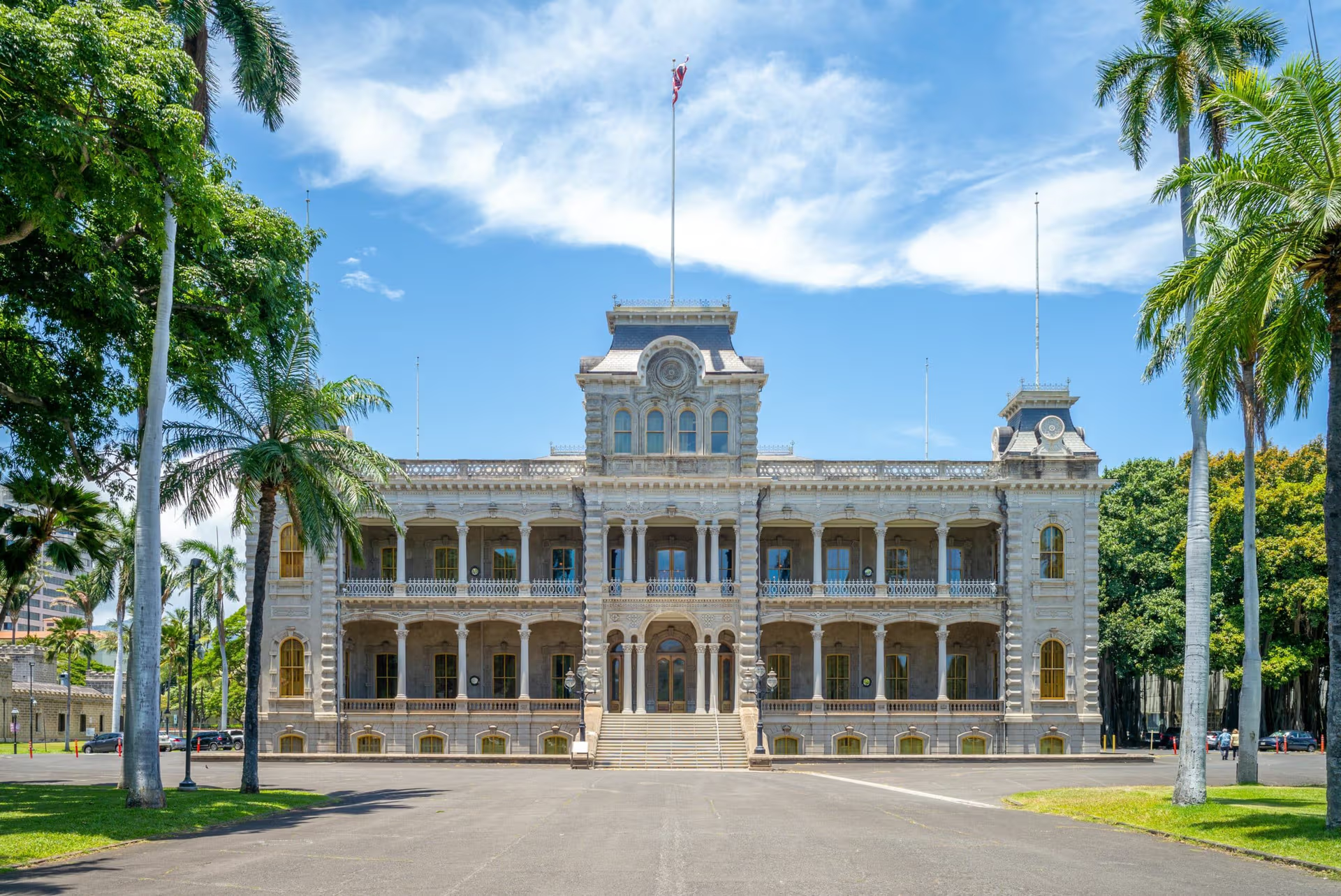
‘Iolani Palace, meaning “Hawk of Heaven,” epitomizes Hawaiian royalty’s embrace of European architectural styles in the 19th century, with Corinthian columns, decorative railings, and Neoclassical details reflecting the late‑Victorian era. Completed in 1882 for King Kalākaua, it served as the ceremonial residence until Queen Lili‘uokalani’s overthrow in 1893, and briefly as her place of imprisonment in 1895. From 1893 to 1968, the 140‑by‑100‑foot palace functioned as the capitol of the Republic, Territory, and State of Hawai‘i, linking monarchy and government history.

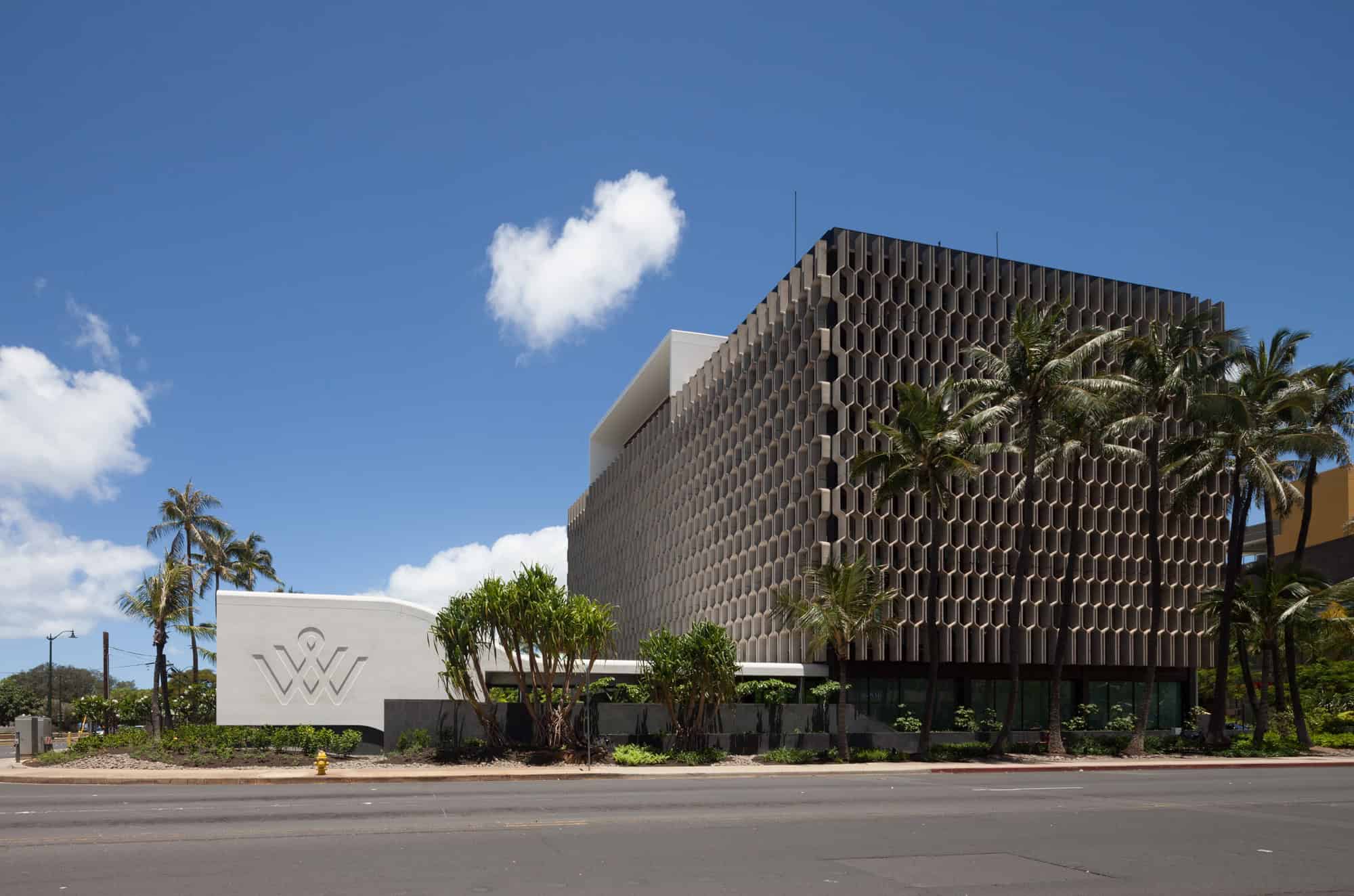
IBM Building

Designed by: Vladimir Ossipoff, FAIA
Built: 1962

Architect Vladimir Ossipoff incorporated brise soleil into his design for the IBM Building's façade, evoking an IBM innovation: punch cards that the company introduced in the 1920s. The design keeps the interior cool, making the structure an early example of sustainable architecture. Today, the IBM Building remains a vital part of Ward Village, reflecting both Ossipoff’s modernist ingenuity and Victoria Ward's creative legacy.

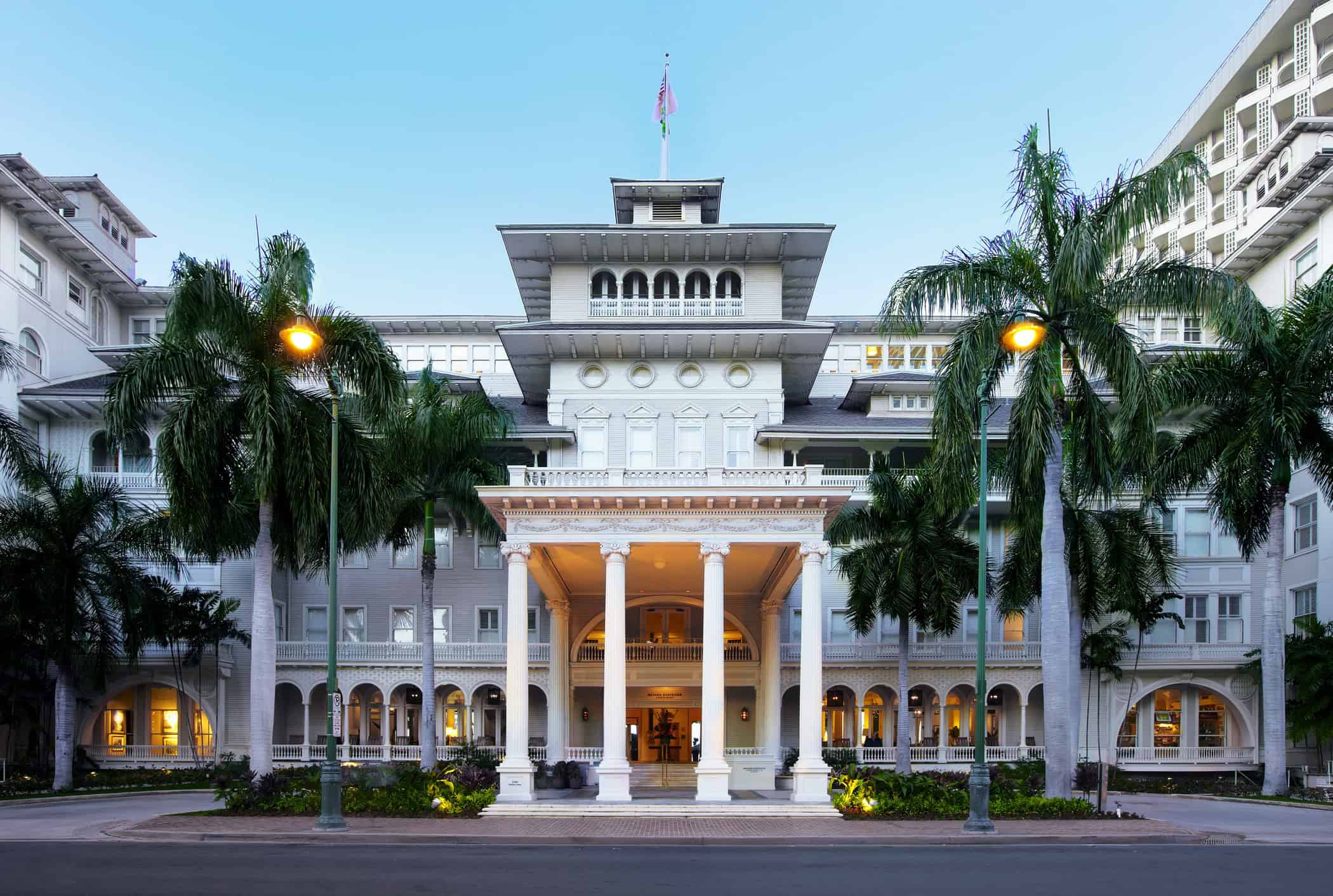
Moana Surfrider, A Westin Resort & Spa

Designed by: Oliver G. Traphagen, FAIA
Built: 1901

Opened in 1901 as Waikiki’s first hotel, the Moana Surfrider, the First Lady of Waikiki, blends Victorian elegance with modern luxury. Recent renovations refreshed its historic lobby and rooms into serene beach retreats. Discover its storied past at the Moana Museum in the Banyan Wing, home to Hawaii’s first electric elevator.

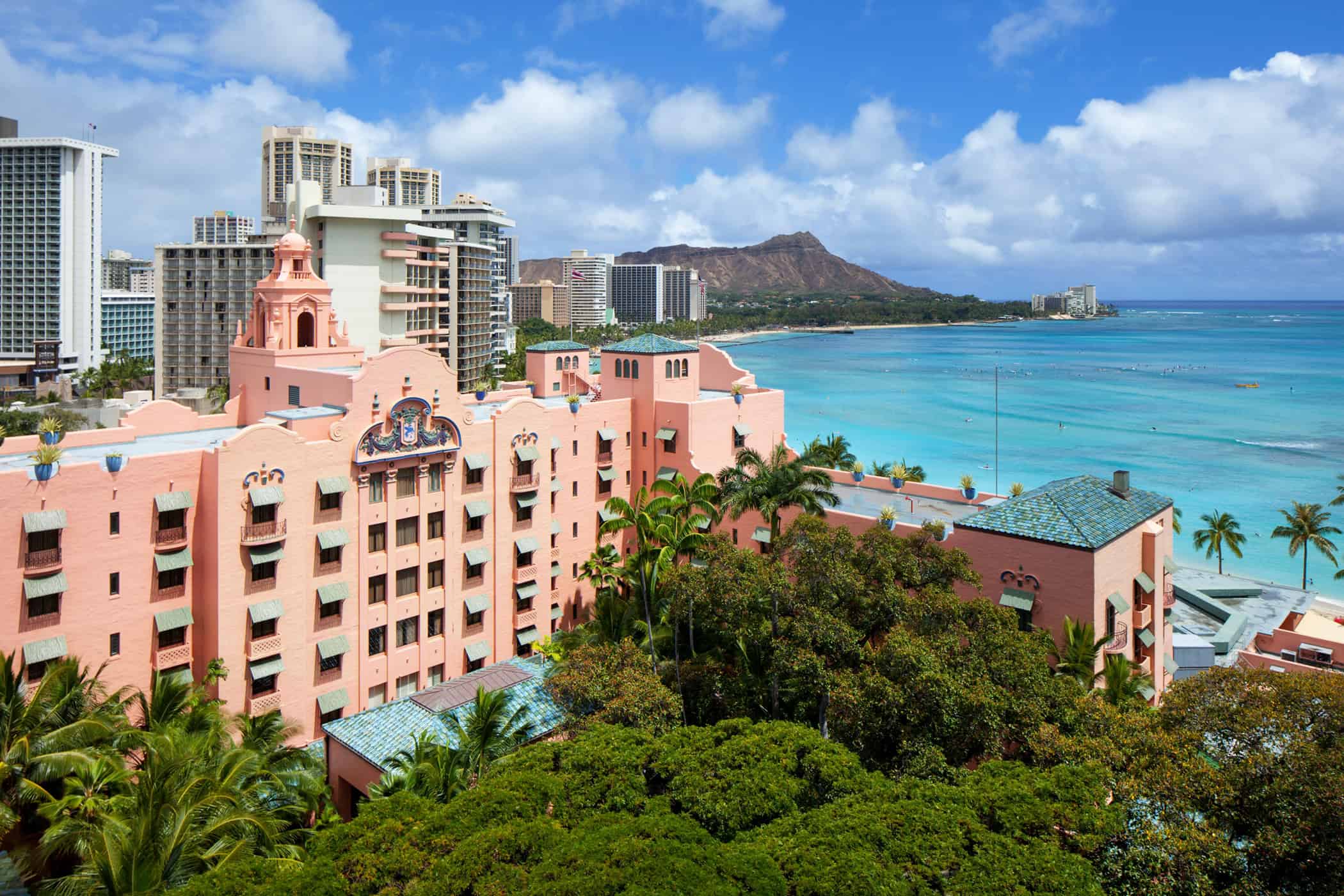
The Royal Hawaiian, a Luxury Collection Resort

Designed by: Warren and Wetmore
Built: 1927

Opened in 1927 and known as the “Pink Palace of the Pacific,” The Royal Hawaiian, a Luxury Collection Resort, is a sanctuary of timeless elegance. Blending modern sophistication with indigenous charm, it offers refined accommodations, world-class amenities, and a Historic Gallery honoring its rich heritage.

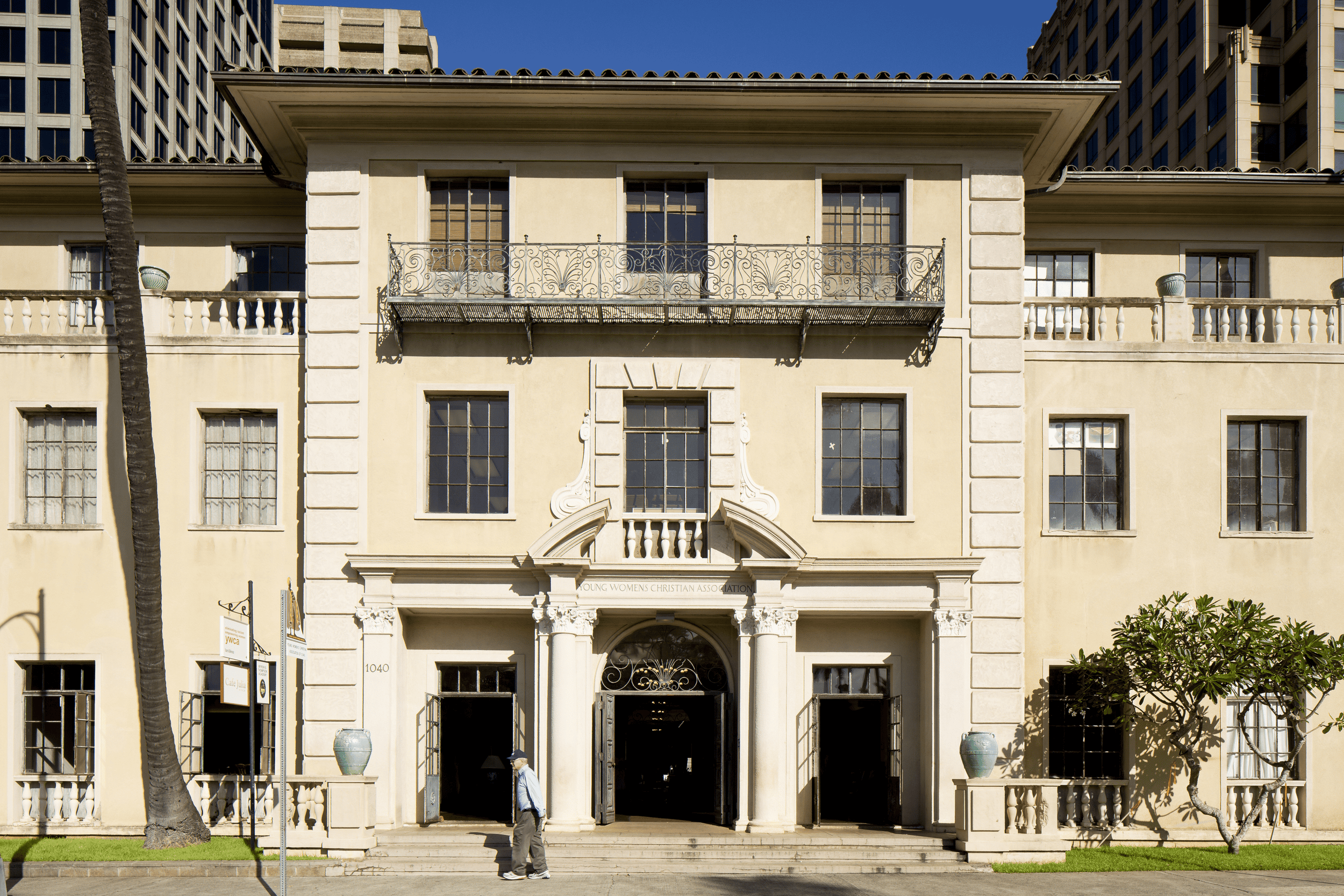
Young Women's Christian's Association (YWCA)

Designed by: Julia Morgan
Built: 1927

Located across Richards Street from ‘Iolani Palace, the Beaux Arts‑style Honolulu YWCA Building was designed by Julia Morgan of San Francisco, the distinguished architect of Hearst Castle and the first female graduate of the École des Beaux‑Arts in Paris. Its imposing façade, with picturesque balconies and distinctive metal grilles, conveys landmark dignity, while graceful arcades frame an open‑sky courtyard and swimming pool. Considered one of Hawai‘i’s finest examples of European‑Mediterranean design, it remains both functional and beautifully adapted to the islands’ climate.

Mahalo sponsors

66
68
Sponsor gifs (1)
Sponsor gifs (2)
69
Shopping cart0
There are no products in the cart!
Continue shopping
0